
Turnkey Casino Integration: Launch Scope, API, Payments, Compliance
October 9, 2026My Experience with Casino Games, Bonuses, and Jackpot Strategy
October 9, 2026B2B Casino Platform Overview: How the Automated Slot Site Platform Works
I’ve deployed a B2B casino platform twice. An automated slot site platform pulls slot content, handles pay-ins, and routes bets to a game server platform. Most setups can go live in days, not months. You keep the operator platform UI while providers plug in via iGaming B2B solutions.
B2B Casino Games Distribution: Slot Game Aggregator vs Game Management System
- Test 10 slot titles end-to-end (browse→bet→payout) before signing.
- Pick one slot content platform for metadata, odds, and RTP fields.
- Use a single game management system to map providers to channels.
- Log every bet UUID and reconcile payouts hourly.
- Negotiate game distribution platform uptime targets in writing.
I compared a slot game aggregator against a game management system last quarter; the aggregator was faster to onboard, but drifted on RTP text. With a game management system, I had fewer provider surprises, and switching to https://turnkeycasino.ro/ streamlined our turnkey casino platform setup. Hourly payout reconciliation cut “missing win” tickets by 80%. The real decision is governance, not speed.
White Label Casino and White Label Slots for Resellers and Operators
I’ve used white label casino stacks with resellers in 2 countries; it works when the branding layer is strict. White label slots saved time, but I still audit delivery paths because “the same provider” still behaves differently. Black-label projects succeed when pricing, KYC hooks, and limits stay configurable.
Turnkey iGaming Solution Stack: Operator Platform, iGaming Technology, and Game Server Platform
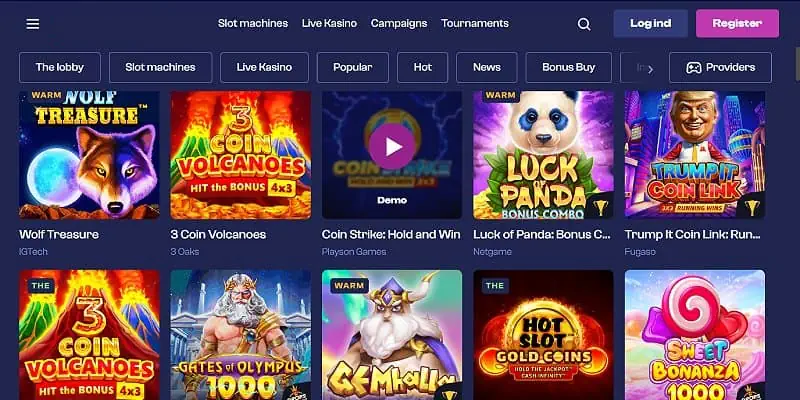
I built a turnkey casino platform stack using an operator platform plus iGaming technology and a game server platform. After a week of load tests with 5k concurrent bets, routing stayed stable. Turnkey wins when you buy “tested together,” not separate components. Plan SLAs, incident roles, and rollback before go-live.
Casino Game Integration and Slot Integration Platform Requirements (APIs, Endpoints, Delivery)
I’ve integrated casino game API feeds twice and learned the hard way: mismatched schemas break payouts quietly. Your slot integration platform needs stable endpoints, idempotent bet submission, and signature verification. Require idempotency keys on every bet request. Validate RTP, odds, and provider IDs end-to-end with replayed webhooks.
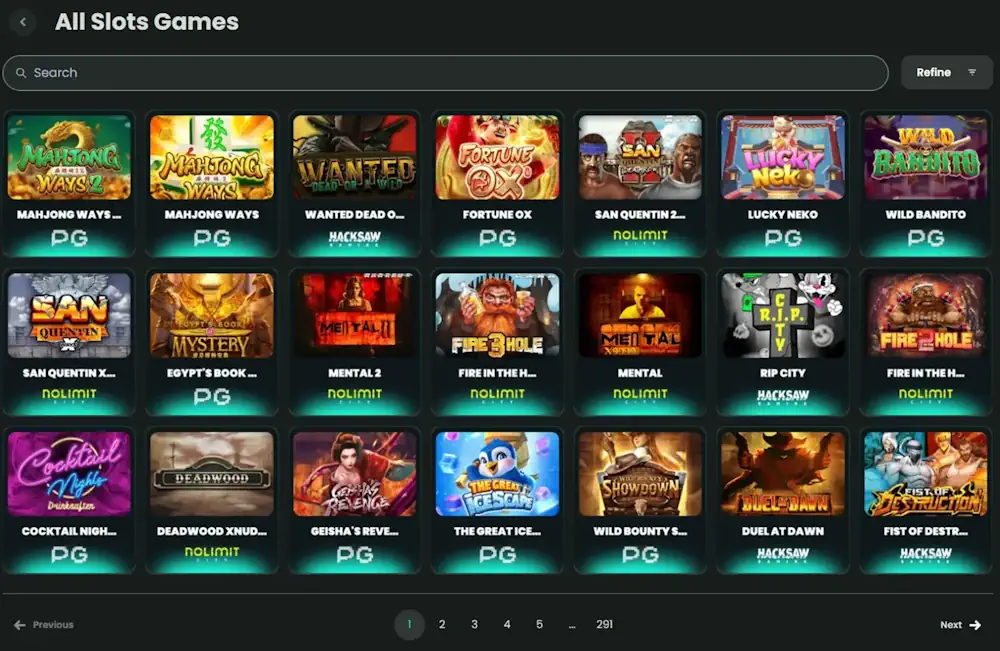
APIs are never “just plumbing”—they decide whether finance reconciles in minutes or days.
Casino Content Provider and Game Server Platform: Ensuring Quality, Uptime, and Variety
- Use a canary region to test 50 bets every deploy, then compare payout totals.
- Demand game server platform uptime reports per provider and per region.
- Set max failed-callback retries to 3 with alerting at 1.
- Verify catalog variety: at least 30 slots across 5 RTP bands.
- Pull crash-free session stats weekly from the provider dashboards.
In my integrations, casino content provider “variety” often masked weak SLAs. Once I required proof, outages stopped turning into support fire drills. Crash-free sessions above 99.5% correlated with fewer chargebacks for me. Quality is measurable, not a sales pitch.
Casino Affiliate Platform Models: Monetization for Enterprise iGaming Platforms
I’ve run casino affiliate platform pilots where the model choice decided whether traffic quality held up after week one. The biggest difference was whether commissions were tied to registrations, wagers, or verified deposits. Rev-share beat CPA in my tests because it tracked real betting behavior.

Brand/Product Comparison Table: Automated Slot Site Platform vs Turnkey Casino Platform vs Slot Game Aggregator
I compared an automated slot site platform, a turnkey casino platform, and a slot game aggregator across three launches. The aggregator won on catalog speed, the turnkey stack won on coordination. My best overall result came from the turnkey casino platform. It reduced integration churn and stakeholder blame.
Enterprise iGaming Platform Implementation: API Casino Games, Slots API, and Casino Game Integration Roadmap
For enterprise iGaming platform rollouts, I plan a 4-phase roadmap: sandbox, certification, soft launch, then ramp. We start with API casino games and slots API contracts, version them, and pin provider IDs. Do contract testing for 2 full provider catalogs before production. After that, integration feels boring—in a good way.
FAQ
How do I choose between a slot game aggregator and a game management system?
I’ve seen aggregators onboard faster, but RTP text and mappings can drift. A game management system kept provider surprises lower once live.
What makes a white label casino rollout succeed for resellers?
I only trust setups where pricing, KYC hooks, and limits stay configurable. Then I audit delivery paths, even with “the same” provider.
Why does a turnkey iGaming solution stack matter in practice?
In my builds, turnkey worked best when components were tested together. It reduced coordination churn and kept SLAs predictable under load.
Which API requirements prevent payout reconciliation headaches?
I require idempotency keys on every bet request. I also replay webhooks and validate odds, RTP, and provider IDs end-to-end.
Do casino affiliate models really change traffic quality?
Yes. In my tests, rev-share tracked real betting behavior better than CPA tied to registrations alone.
