
Mythen ontkracht feiten over gokken die je moet weten
June 25, 2026Πώς αναγνωρίζετε ένα αξιόπιστο διαδικτυακό καζίνο
June 25, 2026Exploring the psychology behind winning and losing at casinos
The Thrill of Winning
Winning at casinos triggers a powerful psychological response, often driven by the brain’s reward system. When players experience a win, their brains release dopamine, a neurotransmitter associated with pleasure and reinforcement. This release fosters a sense of excitement and satisfaction, making the experience memorable and compelling. The exhilaration of winning can lead to a heightened desire to play more, as players often chase that euphoric feeling, seeking additional wins that reinforce the behavior. If you’re looking to improve your gaming experience, discovering the best payid casino can be a great start.
This phenomenon can create a feedback loop, where the excitement of victory propels players to engage further with gambling. Some individuals may find themselves caught in this cycle, where the anticipation of winning becomes more thrilling than the actual monetary gain. This psychological effect can lead to an increased frequency of gambling, as players rationalize their decisions based on past wins rather than the odds at play. Understanding this psychology is crucial for recognizing how winning can transform a casual game into a compulsive pursuit.
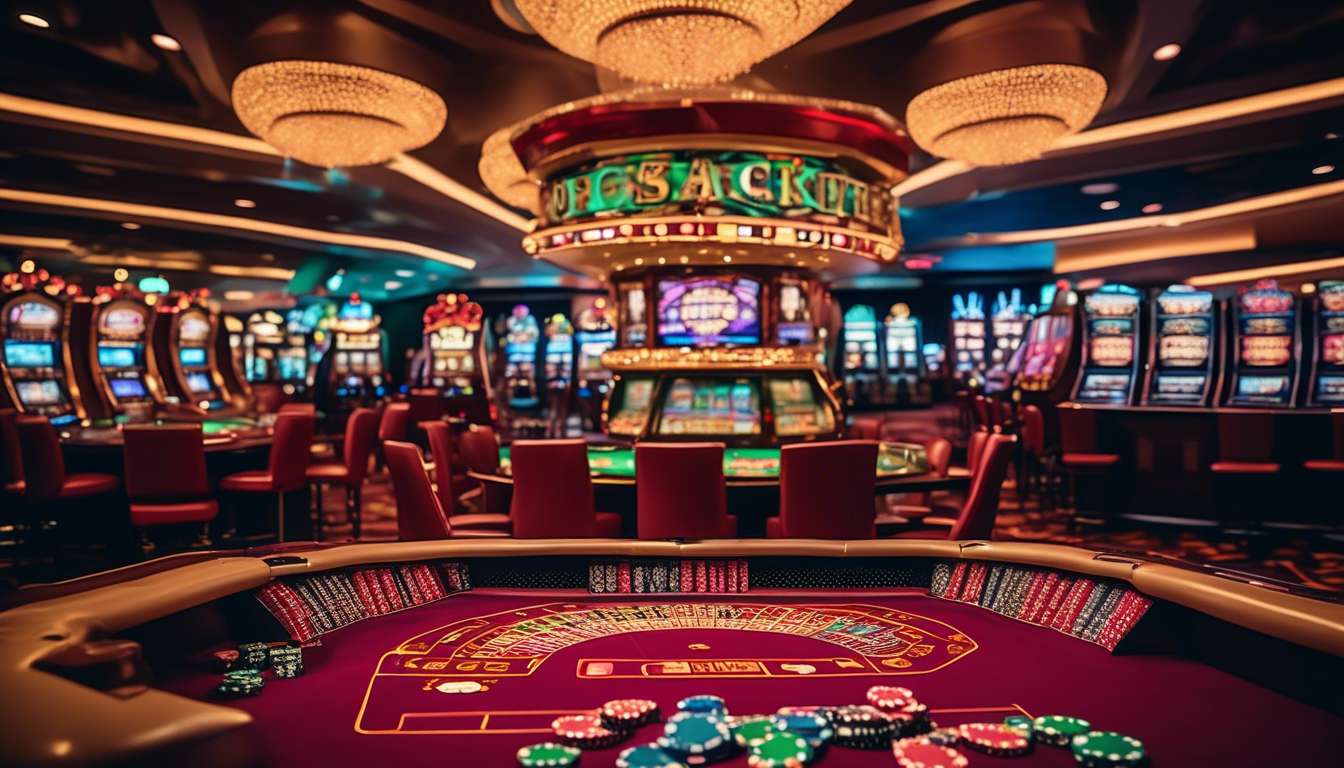
Moreover, the way casinos design their environments enhances this winning effect. Bright lights, engaging sounds, and strategically placed machines are all intended to elicit emotional responses that encourage prolonged play. By creating an atmosphere rich with sensory stimulation, casinos aim to keep players engaged and stimulate their desire for winning, ultimately influencing their gambling behavior. These factors intertwine to create an addictive allure, drawing players deeper into the world of chance and luck.
The Consequences of Losing
On the flip side, losing in a casino can evoke a range of negative emotions, from disappointment to frustration. When players encounter losses, they often experience a drop in mood due to the absence of the rewarding dopamine rush associated with winning. This emotional downturn can lead to feelings of regret, self-blame, or even anger towards the game and oneself. Recognizing these feelings is essential in understanding how loss impacts a player’s decision-making and future gambling behavior.
Moreover, some players may respond to losses with the intention to recover their money, leading to impulsive decisions that can further amplify their losses. This phenomenon, known as the “gambler’s fallacy,” occurs when individuals believe that they are due for a win after a series of losses. This irrational thought process can lead players to increase their bets in an attempt to recoup their losses, ultimately risking even more than initially intended. It reflects a lack of understanding of probability and the randomness of outcomes in gambling.
The emotional turmoil associated with losing can also lead to withdrawal and isolation. Players may avoid social situations or skip gatherings to avoid discussing their losses, which can worsen their psychological state. This isolation can foster a dangerous cycle where the player feels increasingly compelled to gamble in an attempt to alleviate negative emotions, which only results in further losses. Understanding the psychology behind losing is crucial for both players and their support systems in addressing the challenges faced in gambling environments.
Addiction and Compulsion
Gambling addiction represents a significant psychological challenge for many players. The allure of winning, coupled with the emotional highs and lows of gambling, can lead to compulsive behavior that resembles other forms of addiction. Individuals may find themselves unable to resist the urge to gamble, even when they recognize the adverse impacts on their finances, relationships, and mental health. This compulsive nature underscores the importance of understanding the psychological triggers that lead to such behavior.
Several factors contribute to gambling addiction, including environmental influences, personality traits, and underlying mental health issues. For example, individuals with high impulsivity or those prone to seeking thrill are more susceptible to developing problematic gambling behaviors. Additionally, certain life stressors, such as job loss or personal crises, may drive individuals to gambling as a form of escapism, further entrenching the cycle of addiction.
Interventions for gambling addiction typically involve counseling and support groups, which help individuals address underlying psychological factors while providing strategies for managing urges. Creating awareness about gambling addiction is critical, both for those who gamble and for loved ones who may notice troubling patterns. By fostering understanding and encouraging open conversations about the emotional aspects of gambling, communities can better support individuals struggling with this addiction.
Coping Mechanisms and Strategies
For individuals who engage with casinos, developing effective coping mechanisms is vital in managing the psychological impacts of winning and losing. Recognizing one’s emotional responses during gambling sessions can empower players to make more informed decisions. Keeping track of wins and losses, setting strict budgets, and establishing time limits can help mitigate the impulse to chase losses or overspend. These strategies enable players to retain control over their gambling behavior, minimizing potential negative outcomes.
Additionally, understanding cognitive distortions—such as the illusion of control—can help players recognize and challenge unrealistic beliefs about their gambling abilities. By reframing these thoughts, individuals can adopt a more balanced perspective that acknowledges the role of chance in gambling. This shift can foster healthier attitudes toward winning and losing, allowing players to engage in gambling as a form of entertainment rather than a means of financial gain.
Support networks can also play a crucial role in managing the psychological effects of gambling. Sharing experiences with friends, family, or support groups can provide emotional relief and accountability. Open discussions can help players process their feelings related to winning and losing, reinforcing the notion that gambling should remain a fun activity rather than a stressful obligation. By prioritizing healthy coping strategies and social support, individuals can create a more balanced relationship with gambling.
Understanding the Casino Environment
The casino environment is meticulously designed to enhance the gaming experience, affecting players’ psychology in profound ways. From the layout of the games to the engaging sounds and bright lights, every element is crafted to keep players in a state of excitement. This sensory overload can heighten emotions and stimulate the desire to keep playing, making it essential for players to be aware of these influences. Understanding this environment can empower players to recognize when they are being drawn into extended sessions that may lead to emotional highs and lows.
Furthermore, casinos often employ marketing strategies that enhance the allure of gambling. Free drinks, loyalty programs, and extravagant entertainment can create an atmosphere that feels exclusive and rewarding. These strategies can entice players to spend more time and money within the casino, blurring the lines between leisure and compulsion. By recognizing these tactics, players can better navigate their experiences and resist the temptation to overindulge.
In conclusion, fostering awareness about the psychological elements at play in casinos can lead to a more balanced gambling experience. Understanding both the winning and losing aspects allows players to engage responsibly while enjoying the entertainment value of casinos. By developing coping strategies and recognizing the impact of the casino environment, players can protect their emotional well-being and make informed decisions about their gambling activities.
